
Quick Summary
Essential feeding items for traveling with baby depend on how you feed. Breastfeeding families need a nursing pillow, pump, milk storage bags and a cooler. Bottle and formula families need bottles, pre-measured formula, safe water and a bottle brush. Older babies need small leak-proof containers, bibs and spoons, plus a cooler for perishable foods.
- Pack pre-measured formula in individual labeled containers and carry it in your bag.
- Keep expressed breast milk cold in a cooler and label each bag with the date and time.
- Pack two to three bottles per feeding session for most trips.
- Bring a bottle brush, unscented dish soap and sanitizing wipes for cleaning on the road.
- Use a nursing pillow only for awake, supervised feeding, never for infant sleep.
Table of Contents
- Essential Feeding Items for Traveling With Baby: A Checklist by Feeding Stage
- Breastfeeding Travel Essentials
- Bottle-Feeding Supplies for Travel
- Traveling With Formula and a Baby
- Baby Food Travel Containers and Solids for Older Babies
- Cleaning, Sanitizing and Food Safety on the Road
- Packing Quantities by Trip Length and Your Feeding Setup Checklist
- Choosing a Nursing Pillow for Your Next Trip
- Frequently Asked Questions
Last Updated: November 19, 2026
Packing for a trip with a baby means thinking about feeding first. The right feeding items depend on how you feed, how old your baby is, and how long you will be away.
Start with the feeding method you use most, then add items that cover the rest of the trip. Most families need the same core supplies for essential feeding items for traveling with baby: a way to feed, a way to keep food safe, and a way to clean up.
Essential Feeding Items for Traveling With Baby: A Checklist by Feeding Stage
Use this table as a quick reference before you pack. Each row lists a feeding stage, the core items, and what to watch for.
| Feeding Stage | Core Items to Pack | What to Watch For |
|---|---|---|
| Breastfeeding | Nursing pillow, pump, milk storage bags, cooler pack | Keep pump parts clean and dry between uses |
| Bottle-feeding | Bottles, formula or sealed water, bottle brush | Carry pre-measured formula to avoid mixing errors |
| Formula feeding | Pre-measured powder containers, sealed water | Use water that has been boiled or is from a sealed source |
| Solids (6 months and up) | Snack containers, bibs, spoons, wipes | Choose foods that stay safe at room temperature for the trip |
| Older babies and toddlers | Sippy or straw cup, spill-proof bowls, utensils | Pack a spare cup in case one is lost or spilled |
Breastfeeding Travel Essentials
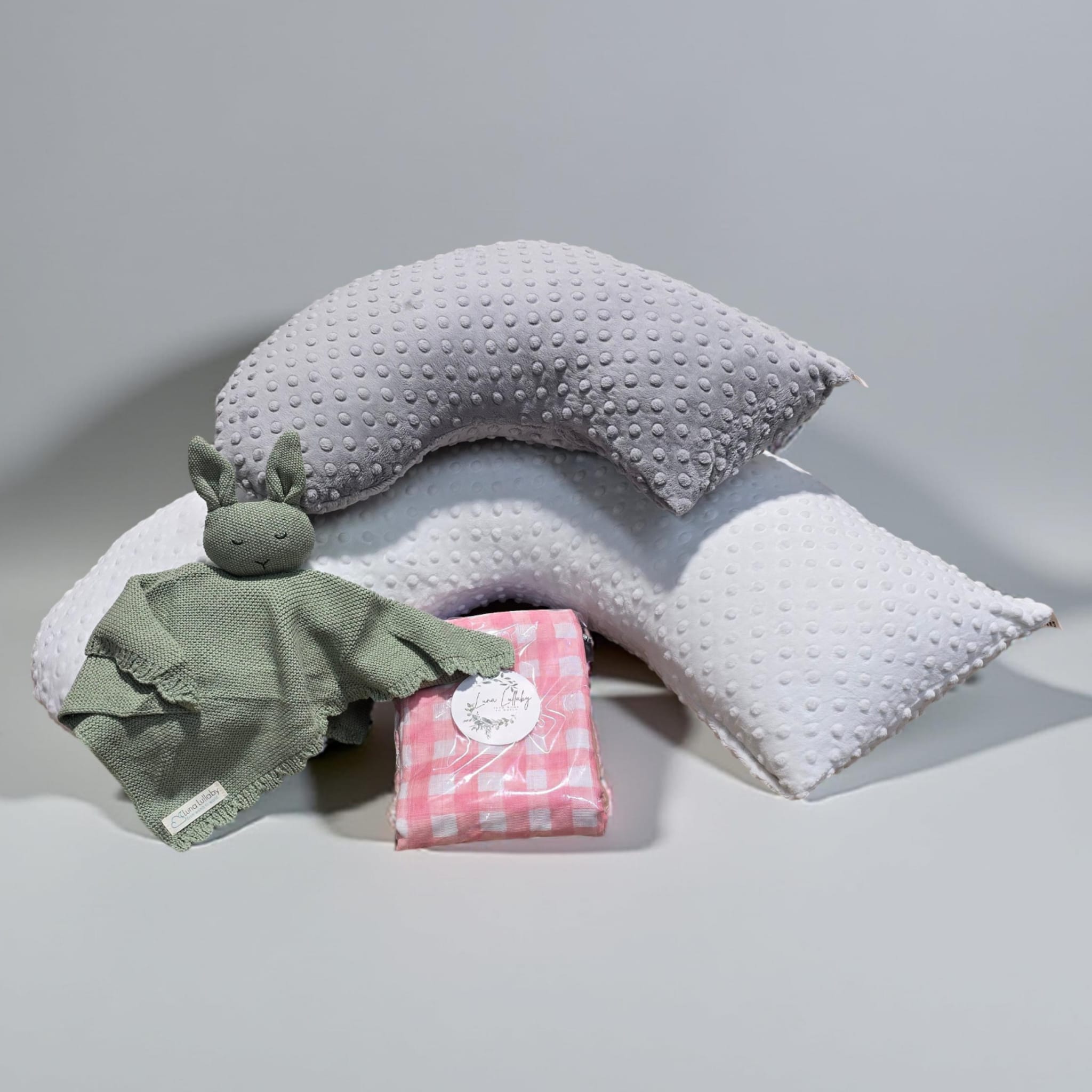
If you breastfeed, your travel kit centers on comfort, positioning, and milk handling. Luna Lullaby's Travel Nursing Pillow is designed for this use.
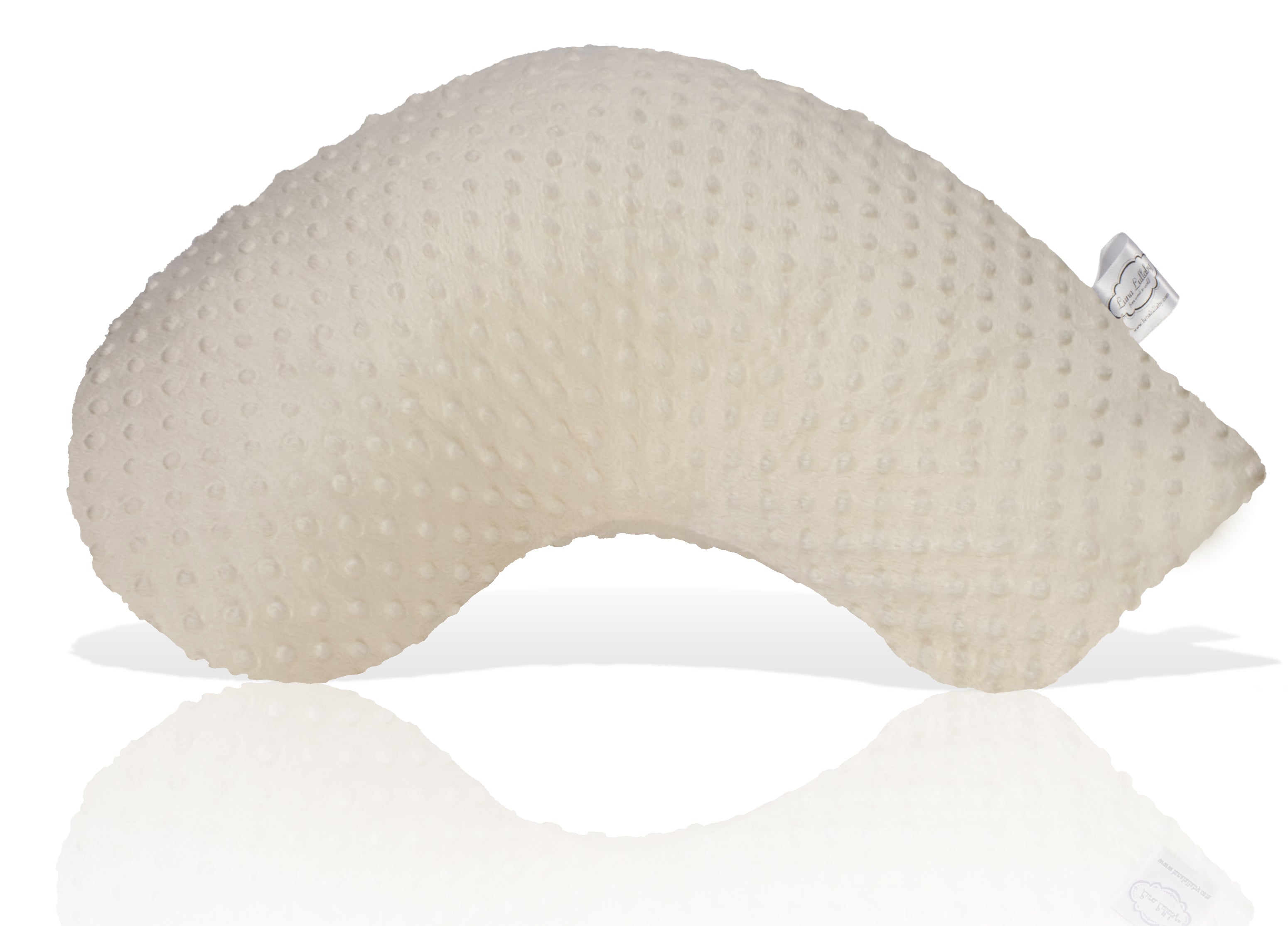
A nursing pillow is for awake, supervised feeding only. Do not use it for infant sleep.
Beyond positioning, breastfeeding travelers usually need:
- A nursing cover or light blanket for privacy
- Nursing pads and a spare top
- A small hand-held pump or your full pump, depending on trip length
Plan for how you will use the pillow. A compact pillow fits in a carry-on more easily than a full-size one; for a road trip, the full-size pillow offers more support on longer feeds.
Pumping and Milk Storage Gear
Milk handling needs the most attention. Keep expressed milk cold, and label each bag with the date and time it was pumped (the CDC).
Clean pumping gear between sessions. Pack a small bottle brush, a bag for used parts, and sanitizing wipes.
Keep a second set of pump parts if you can, so you are not stuck washing and drying parts in a hotel sink.
Bottle-Feeding Supplies for Travel
Bottle feeding gives you flexibility, but it still requires planning. Pack more bottles than you think you need, since a spilled or uncleaned bottle can leave you short.
Core bottle-feeding items include:
- Clean bottles with caps and nipples
- A bottle brush small enough to fit in your bag
- Pre-measured formula in sealed containers
Bottle warmers are optional. Many parents warm a bottle by setting it in a cup of warm water, which works without extra equipment.
Watch out: do not leave a prepared bottle at room temperature for hours. Discard any formula left over after a feeding rather than saving it for later (the CDC).
Traveling With Formula and a Baby
Formula travel comes down to measuring accurately and keeping water safe.
Bring enough formula for the full trip plus extra for delays. Pack it in your carry-on if you are flying, since checked bags can be delayed or lost.
Water matters as much as the powder. If you cannot be sure your tap water is safe for infants, use sealed bottled water or water you have boiled and cooled (the CDC).
Baby Food Travel Containers and Solids for Older Babies
Once your baby starts solids, usually around six months, the travel kit changes again. Use small, leak-proof containers that seal tightly and wash easily. Silicone pouches and small plastic containers work well for purees and mashed foods.
Pack a mix of foods that do not need refrigeration for the length of your trip.
Other items worth packing:
- Bibs with catch pockets for messy eaters
- Spoons with soft tips
- Spill-proof bowls with suction bases
For toddlers, a sippy cup or straw cup with a lid prevents spills in the car seat or on a plane. Pack two so one is always clean.
Cleaning, Sanitizing and Food Safety on the Road
Cleaning feeding gear away from home is the part of travel packing families underestimate most. At home you have a sink, hot water, a drying rack, and time. On the road you may have a hotel bathroom, a rest-stop sink, or nothing but a bottle of water in a car. Plan for the worst case and the easy cases take care of themselves.
Build a small, self-contained cleaning kit
A dedicated pouch keeps everything together and keeps dirty parts away from clean ones:
- A bottle brush with a nipple brush, plus a second brush if you will be washing pump parts daily
- A small bottle of unscented dish soap, decanted into a leak-proof travel bottle
- A collapsible wash basin or a large sealable bag you can fill with soapy water
Wash, rinse, sanitize: the away-from-home sequence
A three-step routine works well anywhere: wash, rinse, sanitize.
- Wash. Fill your basin or bag with warm water and a small amount of dish soap. Scrub bottles, nipples, caps, and pump parts with the brush, paying attention to nipple tips and the threads on bottle necks where milk residue collects.
- Rinse. Rinse thoroughly with clean water. If clean running water is limited, rinse with water from a sealed bottle rather than reusing wash water.
- Sanitize. If you can boil parts for the time recommended by the manufacturer, do so. If not, use sanitizing wipes or a sanitizing solution according to the product label, then air dry completely on a clean towel.
Watch out: parts that stay damp in a sealed bag grow odor and film quickly. Air dry fully before bagging clean parts, and never put damp parts into the same bag as dry ones.
When there is no sink at all
Road trips, long flights, and outdoor stops sometimes leave you with no sink. In that case:
- Wipe bottles and nipples with sanitizing wipes, then rinse with sealed water if the wipe label calls for it.
- Keep a spare set of clean, dry bottles and pump parts so you are never forced to reuse an unwashed one.
- Bag used parts separately and wash them at the next sink, hotel, or family home.
Food safety: temperature and time
Food safety on the road comes down to two controls: temperature and time.
- Cold foods. Keep breast milk, prepared formula, and perishable baby food in an insulated cooler with ice packs or frozen gel packs. Check the ice at each stop and replace melted packs.
- Room-temperature foods. Dry snacks, sealed pouches, and unpeeled fruit are the safest choices for long stretches without a cooler.
- Time limits. Discard any perishable food or prepared formula that has sat out too long, and discard leftover formula from a bottle after a feeding rather than saving it.
If you are unsure how long breast milk or prepared formula stays safe under your specific travel conditions, check current guidance from the [CDC on storing breast milk | cdc.gov] and infant formula preparation before you leave, and ask your pediatrician about your baby's needs. Alongside safe milk and formula handling, planning how feeding fits into the rest of the journey can make family travel smoother, and Play & Stay can help you think through the gear that supports working parents on the move.
Hotel and rental-kitchen shortcuts
Hotels and rental cars rarely have what you need, but a few habits help:
- Request a room with a small refrigerator if one is available, and use it for sealed milk and prepared bottles.
- Wipe down the bathroom sink before washing, and use your basin rather than filling the sink directly.
- Lay a clean towel on the counter as a drying surface, and keep clean parts covered.
A small cleaning kit and a clear wash-rinse-sanitize routine mean you can handle most situations without a store trip, and they keep feeding gear ready for the next feed.
Packing Quantities by Trip Length and Your Feeding Setup Checklist
How much you pack depends on how you feed, how old your baby is, and how long you will be away from a reliable place to wash and restock. Pack enough for the full trip plus a realistic buffer for delays, and know which items you can replace at your destination.
Do the per-feed math first
Before you pack, estimate your baby's typical number of feedings per day and multiply by trip days. Then add a delay buffer.
- Flights: add two to three extra feedings for taxi, security, boarding, and possible delays.
- Road trips: add one extra feeding for every four hours of driving, plus two for the trip home.
- Long visits: add one full extra day of supplies, and confirm where you can buy formula, baby food, or diapers near your destination.
A simple example: a baby who takes six bottles a day on a four-day trip needs about 24 feedings, plus a buffer of four to six, for roughly 28 to 30 feedings of formula or milk.
Quantities by trip length
| Trip Length | Bottles or Pump Parts | Formula or Milk | Solids and Snacks | Cleaning Gear |
|---|---|---|---|---|
| 1-3 days | One day's bottles plus one spare set | Full trip plus 2-3 feedings | 2-3 days of shelf-stable food | One brush, soap, wipes |
| 4-7 days | Two days of bottles plus one spare set | Full trip plus 1 day | Full trip plus 1 day | Brush, soap, wipes, basin |
| More than a week | Two spare sets, plan to wash daily | Full trip plus 1-2 days | Full trip plus 1 day | Full kit plus backup brush |
Essential, optional, and replaceable
One of the easiest ways to avoid overpacking is to sort every item into three buckets.
- Essential: a way to feed (bottles, pump, or nursing pillow), safe water or formula, a cooler for perishables, and a cleaning kit. These come with you no matter what.
- Optional: bottle warmers, extra cups, and specialty bowls. Many parents warm a bottle in a cup of warm water, and a spare cup can wait until you arrive.
- Replaceable at the destination: diapers, wipes, shelf-stable snacks, and extra bibs. Confirm a store near your destination and pack only a day or two of these.
Feeding setup checklist
Use this checklist before you leave:
- Feeding method supplies (nursing pillow, bottles, or pump)
- Clean bottles, caps, and nipples, with spares
- Pre-measured formula or breast milk storage bags
Feeding positions on the go
If you feed in a car seat, on a plane, or in a hotel room, position matters as much as the gear. A nursing pillow can help bring baby closer to a comfortable feeding position, which may reduce the need for the caregiver to lean forward.
Luna Lullaby's travel pillow options can help you choose a size for your trip, and you can also review other ways to feed a baby while traveling if you do not want to bring a pillow.
Choosing a Nursing Pillow for Your Next Trip
A nursing pillow makes feeding on the go more comfortable, especially on long journeys.
Luna Lullaby's Travel Nursing Pillow is available in several patterns, including Ivory Dot, Grey Dot, Blue Dot, Pink Dot, Chocolate Dot, and Sage Dot. The Travel Nursing Pillow in Ivory Dot is one option, and Travel Nursing Pillow covers let you rotate them for laundry day.
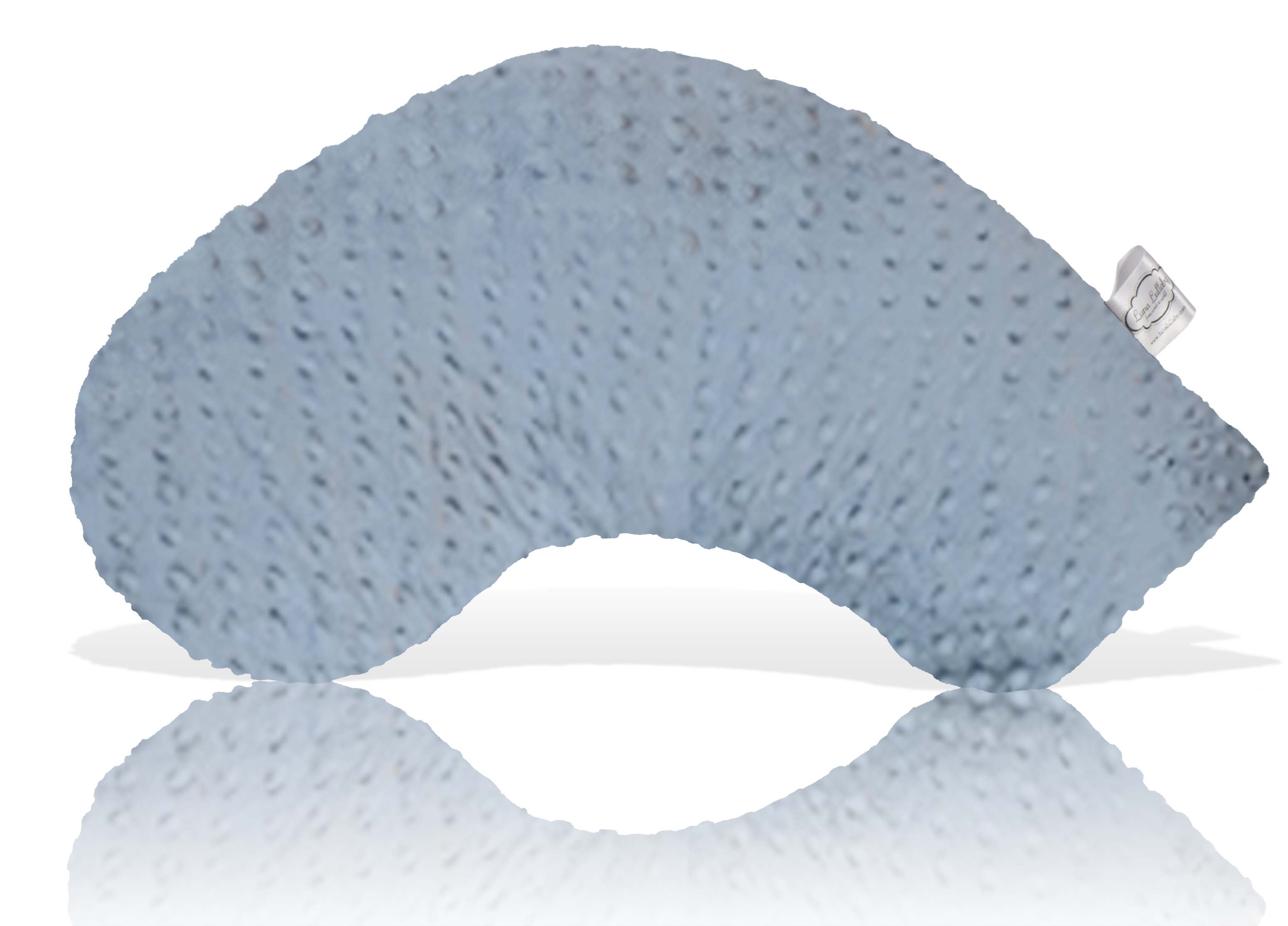
The pillow is designed for awake, supervised feeding and positioning. It is not a sleep product, and it should not be used for infant sleep.
Luna Lullaby has served families for over 20 years.
*Luna Lullaby nursing pillows are intended for awake, supervised feeding only. This article is for general information and is not medical advice.
Frequently Asked Questions
What feeding items should I pack when traveling with a baby?
Pack enough bottles or nursing supplies for the full trip plus a spare day, along with formula or baby food, a bottle brush, bibs, a spill-proof cup for older babies, and a small cooler with ice packs if milk needs to stay cold. Keep these in an easy-to-reach bag so you can feed quickly during delays. Add a portable nursing pillow if you breastfeed, since it can help position baby comfortably in a car seat, airplane seat or hotel chair. Carry a few extra liners or zip bags for leftovers and dirty items.
How do I pack formula for a flight with a baby?
Pack formula in its original sealed containers or pre-measured single-serve bags so you can keep it accessible at security. Bring more than you expect to need to cover delays. Security staff may ask to inspect baby liquids, so keep them separate from other liquids. Check the current Transportation Security Administration guidance before you fly, since rules on liquids and baby items can change. Pack a small insulated bag with ice packs for any liquid that needs to stay cold.
How do I keep baby bottles clean while traveling?
Pack a small bottle brush, a few zip bags for dirty bottles, and unscented biodegradable dish soap or a sanitizing wipe designed for feeding gear. If you cannot wash bottles right away, rinse them, seal them in a bag and clean them as soon as you have running water. Bring a small set of spare bottles so you are not stuck washing during the day. When sterilizing is needed, a portable steam bag or a microwave sterilizer bag can work in a hotel room, provided the bag is designed for your microwave's size and wattage.
How long can breast milk and formula stay out during travel?
Keep milk and formula cold in a cooler with ice packs, and throw away any leftover formula after a feeding. Check current CDC guidance for storage times and temperatures before you travel. If you have questions about your baby's specific needs, talk with your pediatrician or an International Board Certified Lactation Consultant before you leave.